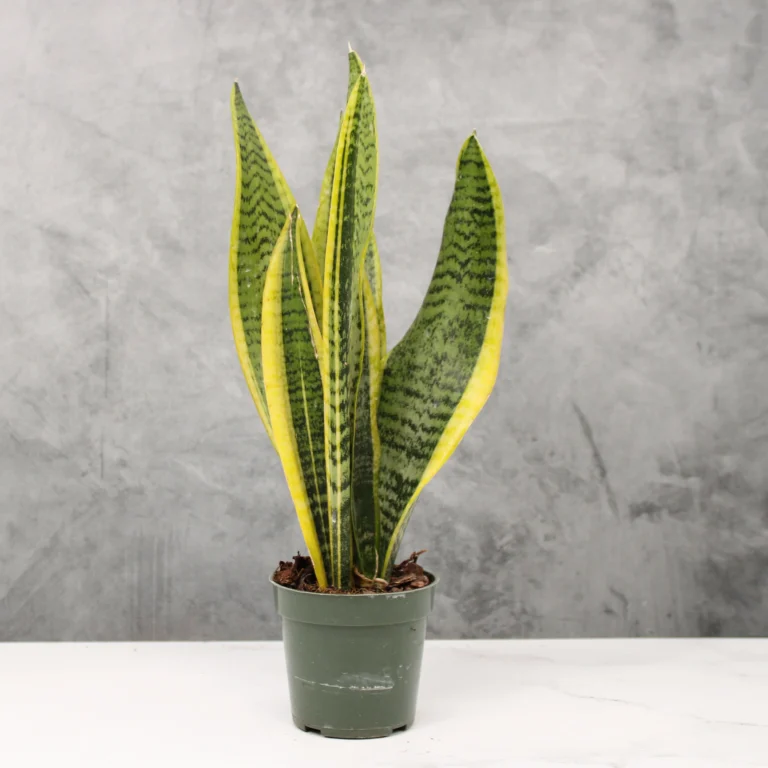
SNAKE PLANT
It is an evergreen perennial plant forming dense strands, spreading by way of its creeping rhizome, which is sometimes above ground, sometimes underground. Its stiff leaves grow vertically from a basal rosette. Mature leaves are dark green with light gray-green cross-banding and usually range from 70–90 centimetres (2.3–3.0 ft) long and 5–6 centimetres (2.0–2.4 in) wide, though it can reach heights above 2 m (6 ft) in optimal conditions.[3]
Table of Contents
ToggleThe specific epithet trifasciata means “with three bundles”.[4]
The plant exchanges oxygen and carbon dioxide using the crassulacean acid metabolism process, which allows them to withstand drought. The microscopic pores on the plant’s leaves, called the stomata and used to exchange gases, are opened only at night to prevent water from escaping via evaporation in the hot sun.
Lorem ipsum dolor sit amet, consectetur adipiscing elit. Ut elit tellus, luctus nec ullamcorper mattis, pulvinar dapibus leo.
Cultivation and uses
Like other members of its genus, D. trifasciata yields bowstring hemp, a strong plant fiber once used to make bowstrings.
It is now used predominantly as an ornamental plant, outdoors in warmer climates, and indoors as a houseplant in cooler climates. It is popular as a houseplant because it is tolerant of low light levels and irregular watering; during winter, it needs only one watering every couple of months. It will rot easily if overwatered.[7] It is commonly recommended to beginners interested in cultivating houseplants for its easy care.
Lorem ipsum dolor sit amet, consectetur adipiscing elit. Ut elit tellus, luctus nec ullamcorper mattis, pulvinar dapibus leo.
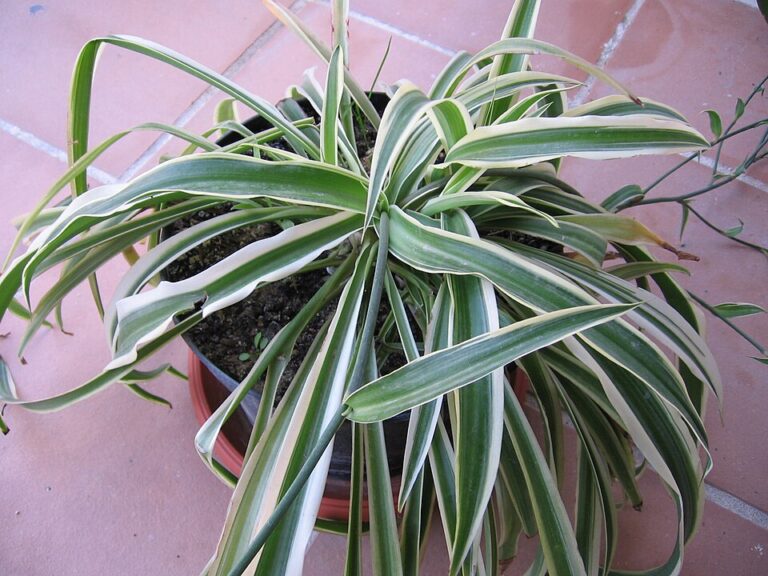
SPIDER PLANT
Spider plants offer benefits like air purification (removing formaldehyde, xylene, carbon monoxide), increased oxygen/humidity, and stress reduction, while being easy to care for, low-maintenance, and safe for pets, making them ideal for improving indoor air quality and home aesthetics with minimal effort.